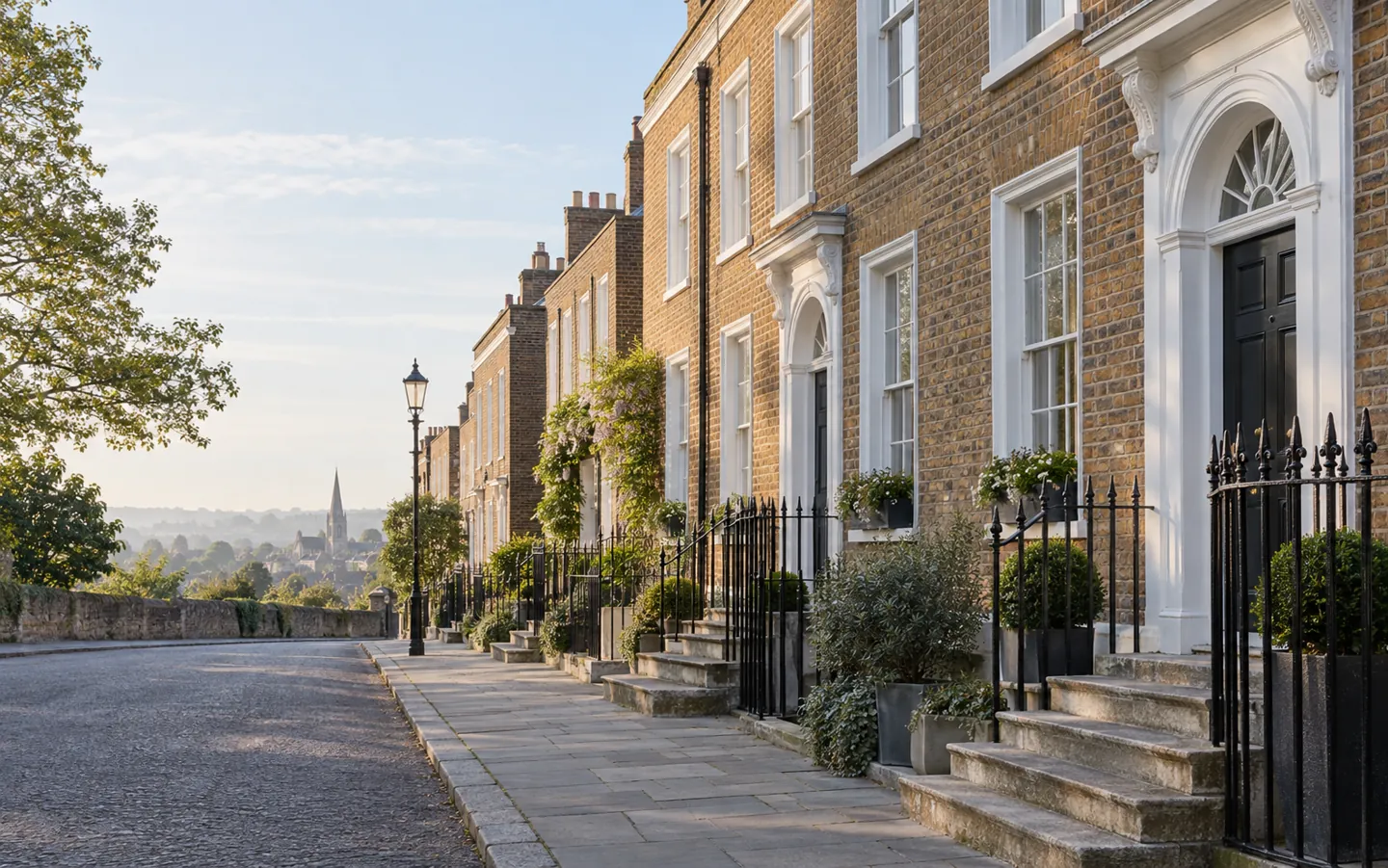
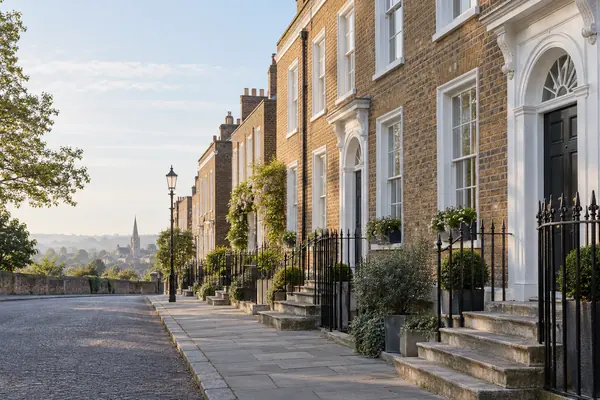
AI-generated image, not a photograph of a real person or place.
ASK FIRST before you alter
91.7% Share of listed buildings at Grade II
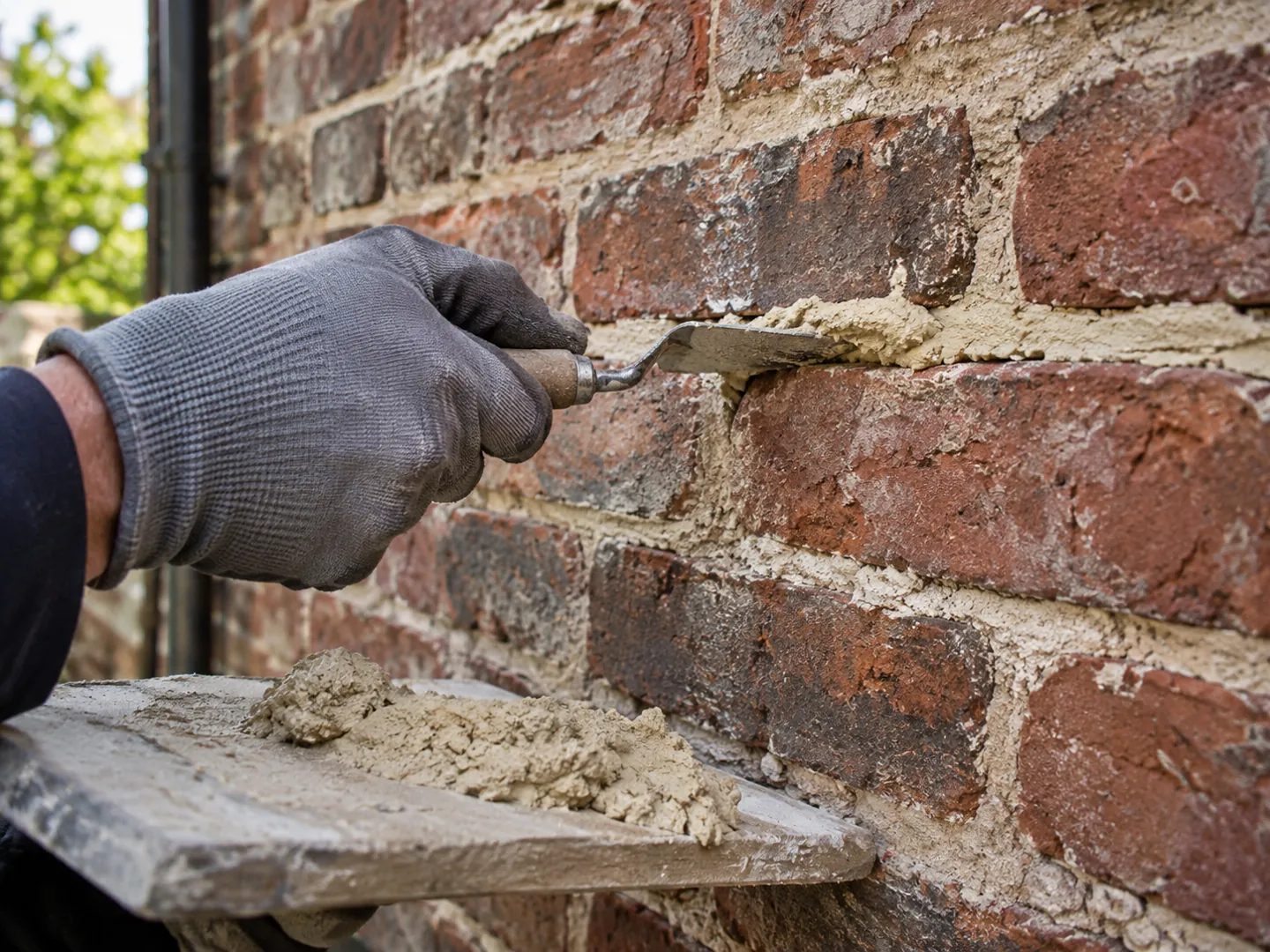
Repair before replace
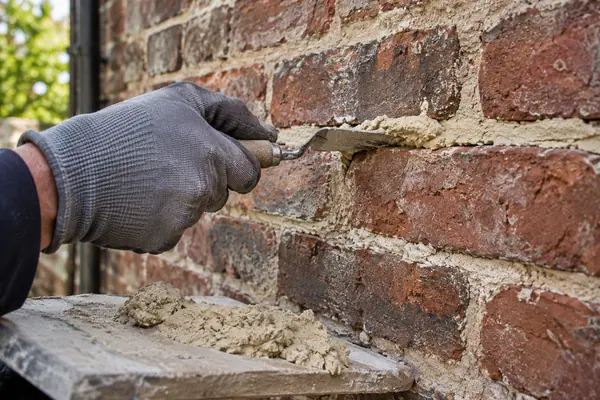
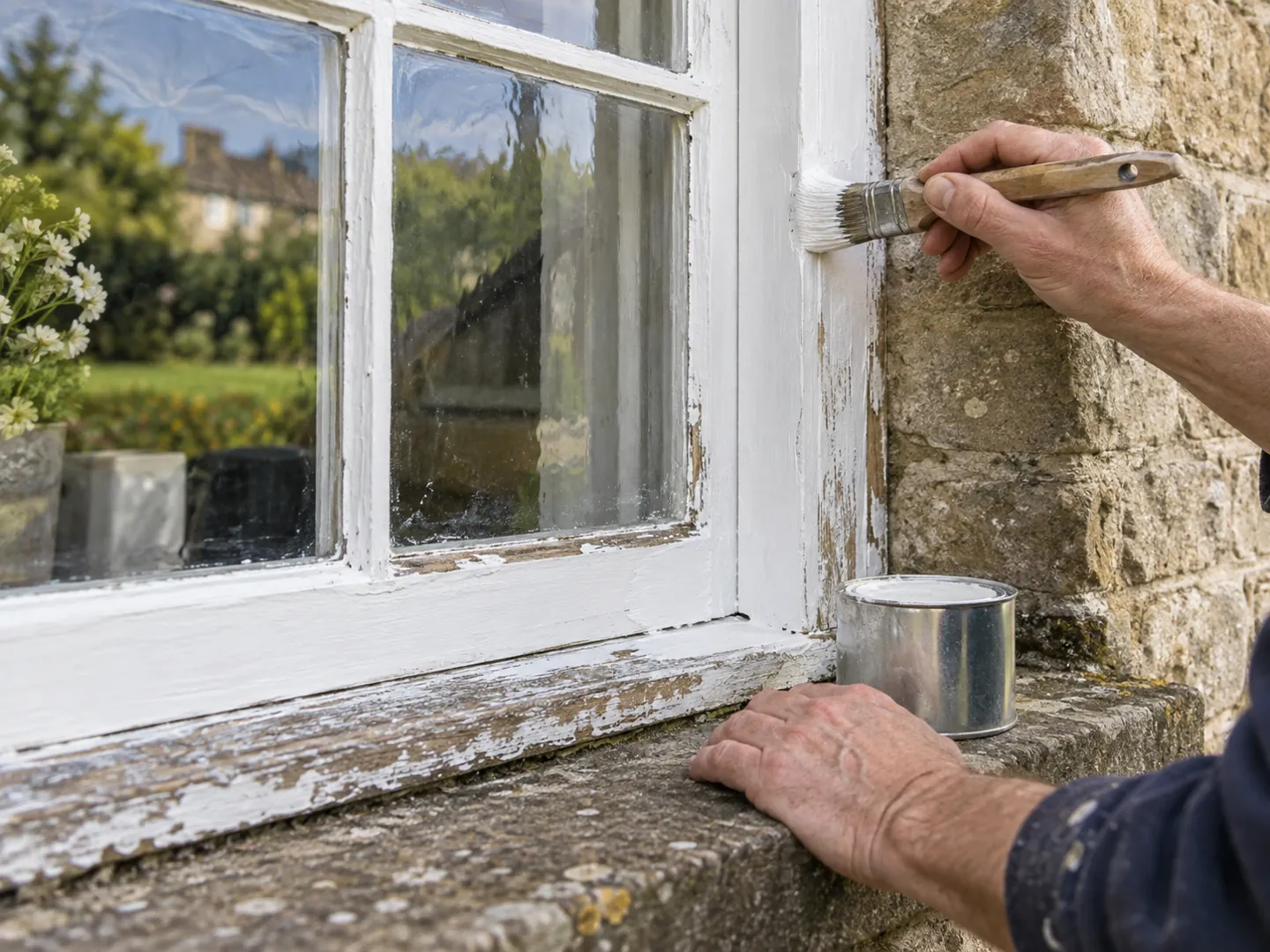
Like for like
Inside counts too
Three habits for old buildings
Listing marks a building as of special architectural or historic interest in England. Owners can repair and adapt it, but changes that affect its character need listed building consent first, inside as well as out.
THE SHORT ANSWER
Three grades, one law.
The grade shows how special a building is. The protection is the same for all three.
THE GRADES
Most listed homes are Grade II
Grade I is exceptional, Grade II* is more than special and Grade II is special. Plymouth City Council notes 91.7% of listed buildings are Grade II, and the legal protection is the same for every grade.
General information only, not legal advice. For advice on your own situation, speak to a qualified lawyer or a free advice service.
A QUICK JOB CHECK
Does this job need consent?
Pick a common job on a listed home to see what council guidance usually says. The bar shows how likely it is that listed building consent is needed.
Based on Plymouth City Council's guidance for owners, which draws on Historic England advice. Every listed building is different: ask your own council before you start.
FOUR STEPS BEFORE ANY WORK
Know what is special, then plan the job.
Listed building consent is free to apply for, but the work you do without it can be costly to undo. These steps come from council and government guidance.
AI-generated image, not a photograph of a real person or place.
Read the list entry
Look the building up on the National Heritage List for England. A feature not mentioned in the description can still be protected.
Remember the whole building counts
Unless the list entry excludes them, listing covers the interior, anything fixed to the building and structures within its curtilage.
Repair before you replace
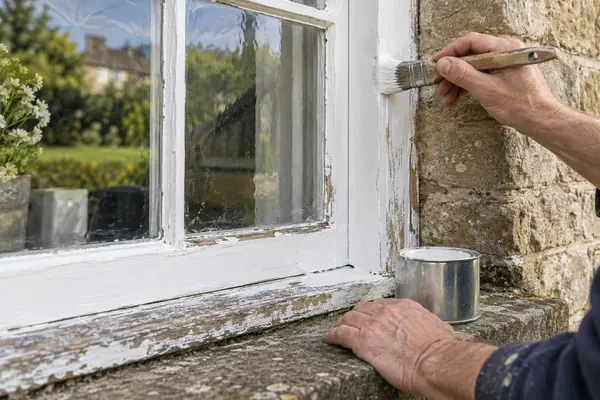
Mending windows, roofs and walls in matching materials keeps the historic fabric and often fixes draughts and damp.
Ask the council early
Councils offer pre-application advice. If you think consent is not needed, you can apply for a Certificate of Lawfulness of Proposed Works.
TWO NUMBERS WORTH KNOWING
Most are modest, a few are exceptional.
How listed buildings split between the grades, using the figures quoted by Plymouth City Council.
91.7%
Share of listed buildings at Grade II
Grade II is the most likely grade for a homeowner. These buildings are of special interest, warranting every effort to preserve them.
GRADE II · PLYMOUTH CITY COUNCIL
2.5%
Share of listed buildings at Grade I
Grade I buildings are of exceptional interest. A further 5.8% are Grade II*, particularly important buildings of more than special interest.
GRADE I · PLYMOUTH CITY COUNCIL
Under section 9 of the Planning (Listed Buildings and Conservation Areas) Act 1990, carrying out unauthorised works is a criminal offence, with up to two years in prison or a fine, or both, on indictment.
HOW BUILDINGS GET LISTED
Older is likelier, but newer can count.
Government principles say that before 1700, any building keeping a significant share of its original fabric is likely to be of special interest, and from 1700 to 1850 most are. From 1850 the selection grows stricter, and after 1945 careful selection is needed.
Buildings under 30 years old are not normally listed, unless they are of outstanding quality. A building's state of repair is not usually a reason to list it or not, and listing protects types as varied as palaces, barns, tombstones and skate parks.
AI-generated image, not a photograph of a real person or place.
Questions
Questions people ask
What do the listing grades mean?
Grade I buildings are of exceptional special interest, Grade II* are particularly important buildings of more than special interest, and Grade II are of special interest. Plymouth City Council notes there is no difference in their level of legal protection.
Does listing only cover the outside?
No. Unless the list entry says otherwise, protection applies to the whole building, including the interior, objects or structures fixed to it, and structures within its curtilage, such as boundary walls.
Do I need consent to paint my windows?
Not for routine maintenance. Plymouth City Council's guidance says re-puttying, painting in the same colour, replacing broken panes or fitting exact copies of the existing windows does not need permission.
Is there a fee for listed building consent?
Plymouth City Council says there is no fee to apply, though you need to provide supporting drawings and information. Councils may charge for detailed pre-application advice.
What happens if work is done without consent?
It is a criminal offence under section 9 of the 1990 Act. Owners may also have to return the building to its original state, so buyers should check that earlier alterations had consent.